01 / OWNERSHIP
Control shouldn't be rented.
MIYI Wallet is designed as a non-custodial smart-contract wallet. The system generates the private key; MIYI does not store it and cannot recover the account for the user.
MIYI Wallet turns digital assets into something you can actually use — with self-custody at the core and QR payments designed for real-world settlement.
The digital-asset economy has powerful assets and powerful networks. But for everyday users, ownership, payment and settlement still feel like separate experiences.
MIYI Wallet is designed as a non-custodial smart-contract wallet. The system generates the private key; MIYI does not store it and cannot recover the account for the user.
Users can hold assets across multiple supported chains, swap assets into supported payment currencies, and use QR payment rails where supported.
The payment experience is designed around a simple sequence: scan the merchant QR, choose the asset, authorize the transaction, and let the payment infrastructure handle conversion and settlement.
Local merchants generate the QR. It can be static or dynamic depending on the merchant's payment system.
Hold BTC, ETH, SOL, BNB and other supported digital assets. Use the built-in swap function when the payment rail requires a supported stablecoin.
The wallet remains self-custodial. The on-chain transaction is initiated as part of the payment flow.
Conversion is handled through payment partners. The current payment design targets approximately 2–5 seconds for settlement, subject to network and partner conditions.
Not another wallet balance screen. A payment experience designed to make blockchain complexity disappear from the moment of purchase.
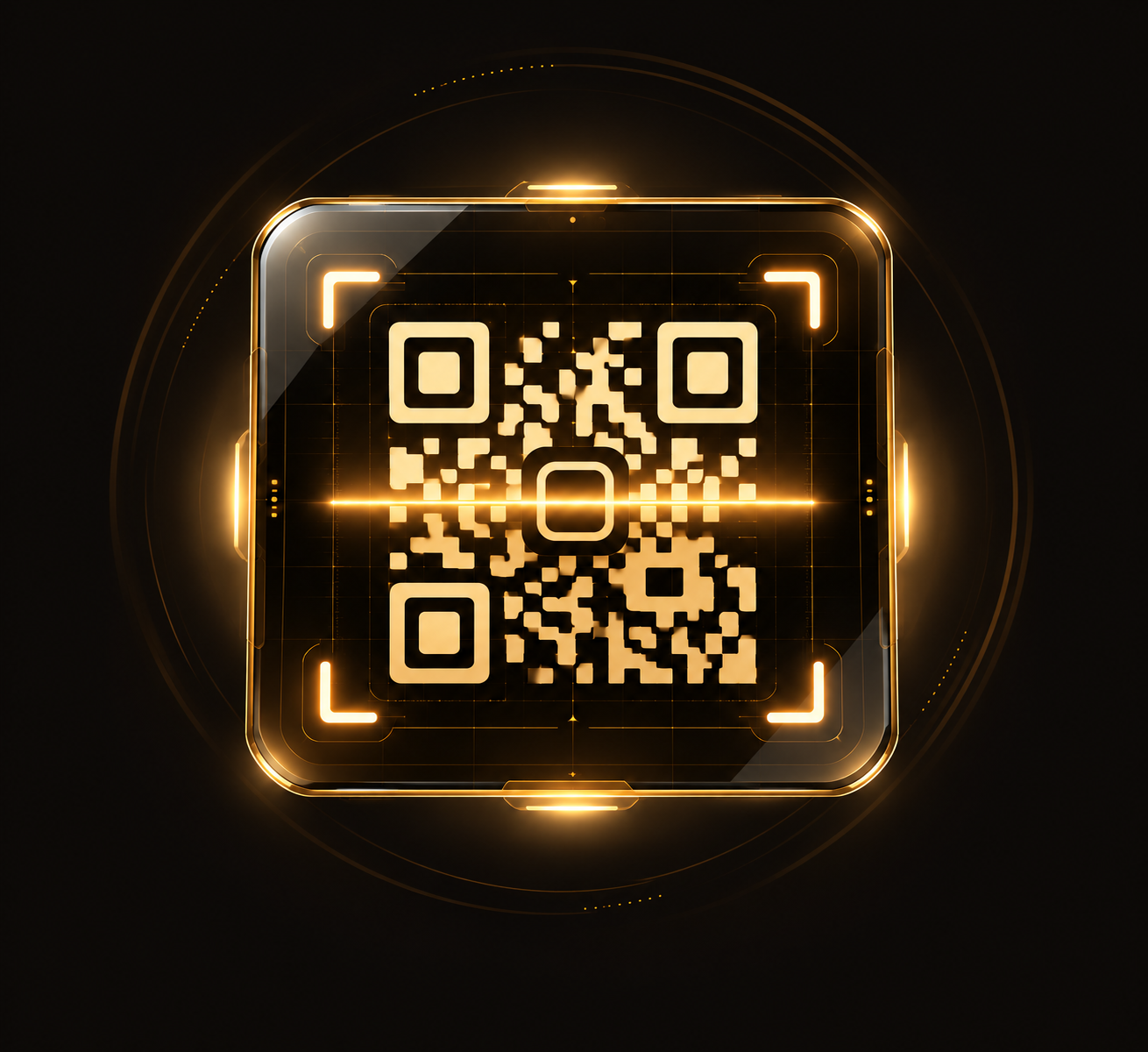
The merchant supplies the payment QR. MIYI Wallet turns the payment request into a simple transaction flow.
If the payment rail requires a supported stablecoin, swap inside the wallet first. The goal is one simple payment experience across multiple assets.
The user remains in control of the transaction. MIYI does not hold or recover the user's private key.
Payment conversion is handled through partners. If a blockchain transaction fails, the transaction remains traceable and is designed to be refunded according to the payment flow.

Store assets across supported networks, swap between supported assets, and expand into additional chains as user demand grows.
Current wallet support includes BTC, Ethereum, Solana and BNB ecosystems, with a fifth supported chain and further expansion as demand develops.
Store BTC and access it through the wallet's multichain asset experience.
Hold Ethereum ecosystem assets supported by the wallet.
Access Solana assets from the same wallet interface.
Access BNB Chain assets and the wider MIYI ecosystem connection.
USDT and USDC are central to the current payment flow and swap experience.
Digital collectibles and other supported digital assets can also live inside the wallet.
MIYI Wallet's current QR payment coverage spans 17 countries, with more markets planned. Availability depends on compatible local QR payment infrastructure and partner coverage.
The network is designed to work with local merchant QR systems in supported markets. MIYI Wallet's own transaction volume is not yet represented as historical traction; the current story is about infrastructure readiness and the next phase of network activation.
MIYI Wallet is owned by the parent company under MIYI CORE. It operates as a standalone wallet while connecting to the wider ecosystem through blockchain transfers.
The native utility layer of the MIYI ecosystem — designed to connect users with ecosystem benefits, incentives and future wallet utility.
Users can move assets between the exchange and MIYI Wallet via blockchain transfers, keeping the wallet itself standalone.
Self-custody, multichain asset management and QR payment access — bringing digital assets closer to everyday use.
Rather than making MYEX a passive token, the proposed direction is to turn it into an access and loyalty layer across the MIYI ecosystem. These are product concepts, not current promises, and would be subject to final economics, terms and regulatory review.
A competitor can copy a dashboard. Building reliable payment conversion, partner relationships and market coverage is a different problem.
The merchant continues to use local QR payment infrastructure and receives local fiat, while the wallet handles the digital asset side of the experience.
The long-term product opportunity is to hide blockchain complexity behind a simple payment action.
As coverage expands, the same wallet can become useful in more places without requiring users to maintain separate payment apps for every market.
MIYI Wallet is preparing for launch and the next phase is about activation: user acquisition, payment-market expansion, merchant partnerships, infrastructure, security and product development.
This website intentionally does not publish fundraising terms, valuation or allocation details. Strategic investment discussions are private and subject to applicable terms, diligence and eligibility.
No. It is designed as a non-custodial smart-contract wallet. MIYI does not store the user's private key and cannot recover the account on the user's behalf.
Users must have retained their private key or valid recovery credentials. Without them, MIYI cannot recover the wallet.
The wallet can hold assets across supported networks. The current payment flow uses supported stablecoins; users can swap eligible assets into the required payment asset before spending.
The merchant receives local fiat through the payment conversion process handled with MIYI's payment partners. The exact experience depends on the local QR payment system and partner coverage.
No. MIYI Wallet is standalone and self-custodial. Users can transfer assets between the exchange and wallet via blockchain transactions.
The current launch target is before 3 October 2026. Availability and supported functionality may vary as the product is brought online.
MIYI Wallet is keeping fundraising terms private. Use this form to request a conversation about strategic investment, distribution, payment partnerships or ecosystem opportunities.
For merchants, QR providers, payment companies and regional partners interested in expanding digital-asset-to-fiat payment access.